Face & Body
Lymphatic Drainage Massage
A gentle massage that may ease mild swelling.
At a glance
- Session
- 45–60 min
- Recovery
- Usually none
- Results
- Temporary, may vary
- Sessions
- As many as you need
Treatment duration, downtime, visible results and recommended sessions are approximate and vary from person to person. Your provider confirms them at your consultation.
What it is
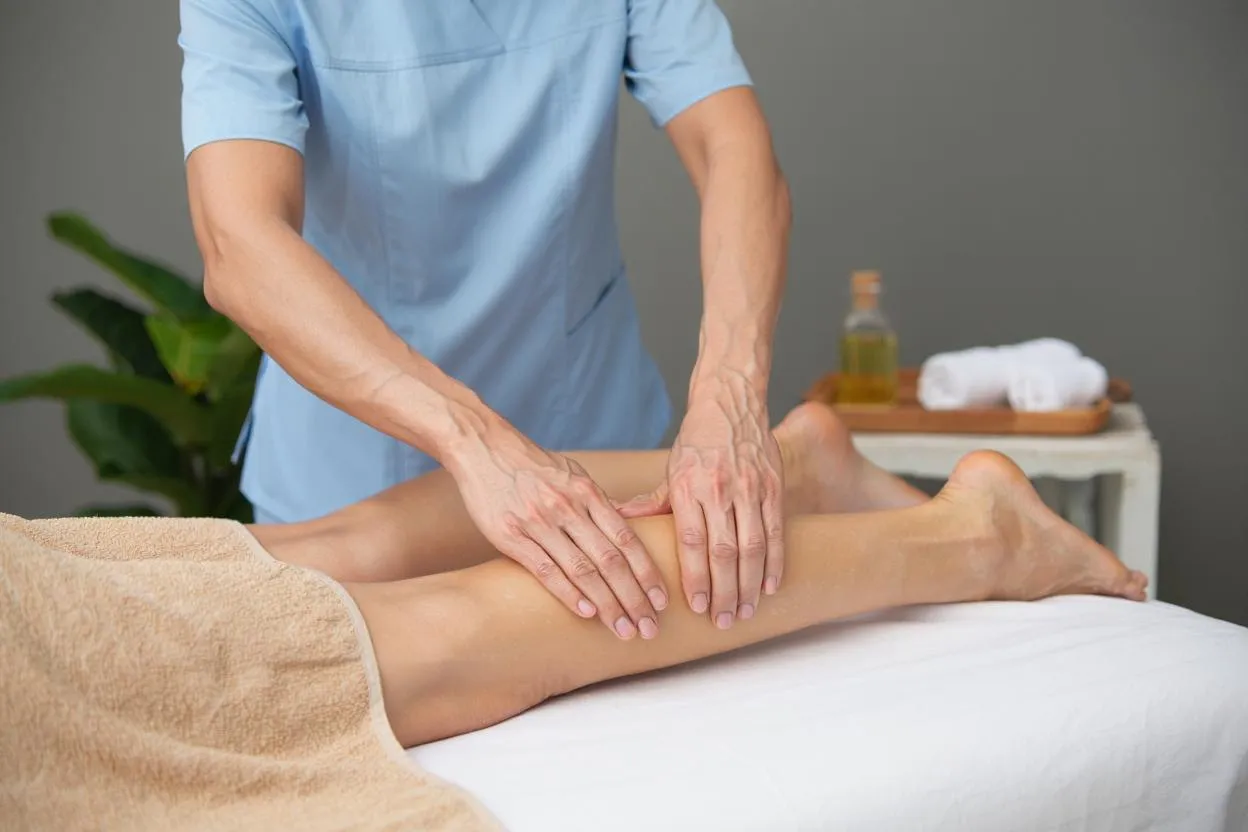
Manual lymphatic drainage is a massage technique that uses light, rhythmic movements to encourage lymphatic fluid to move along the body's natural pathways. Unlike a deep tissue massage, the pressure is gentle.
It may help some people with mild, fluid-related swelling or facial puffiness, and it's a calm, relaxing session.
A gentle facial lymphatic drainage step also opens the Platinum HydraFacial®.
Areas we treat
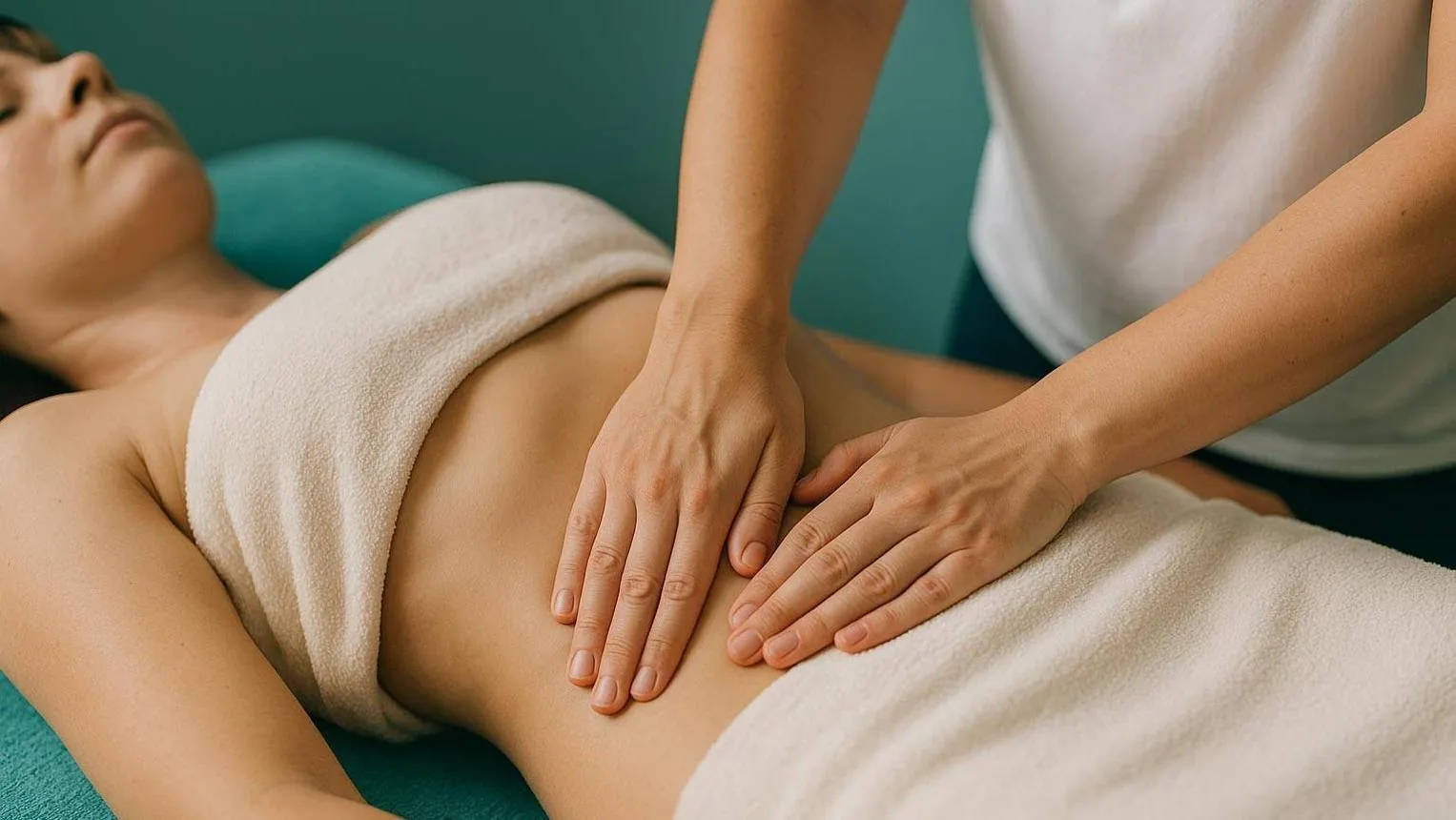
Abdomen
For selected fluid-related swelling concerns.
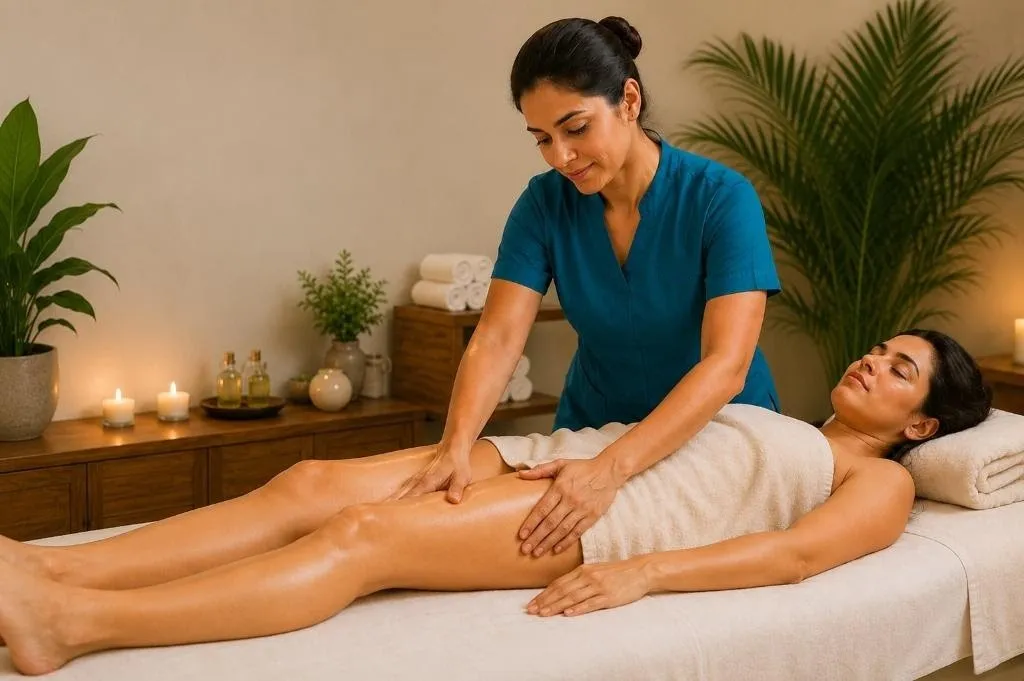
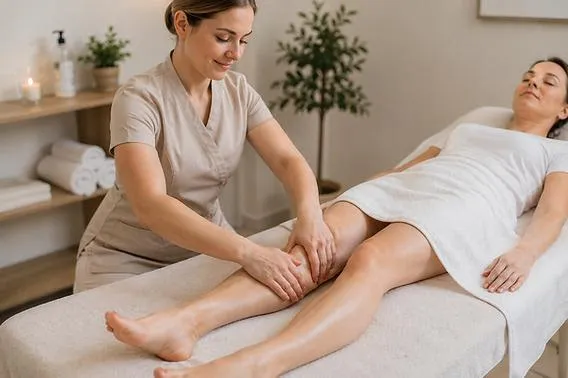
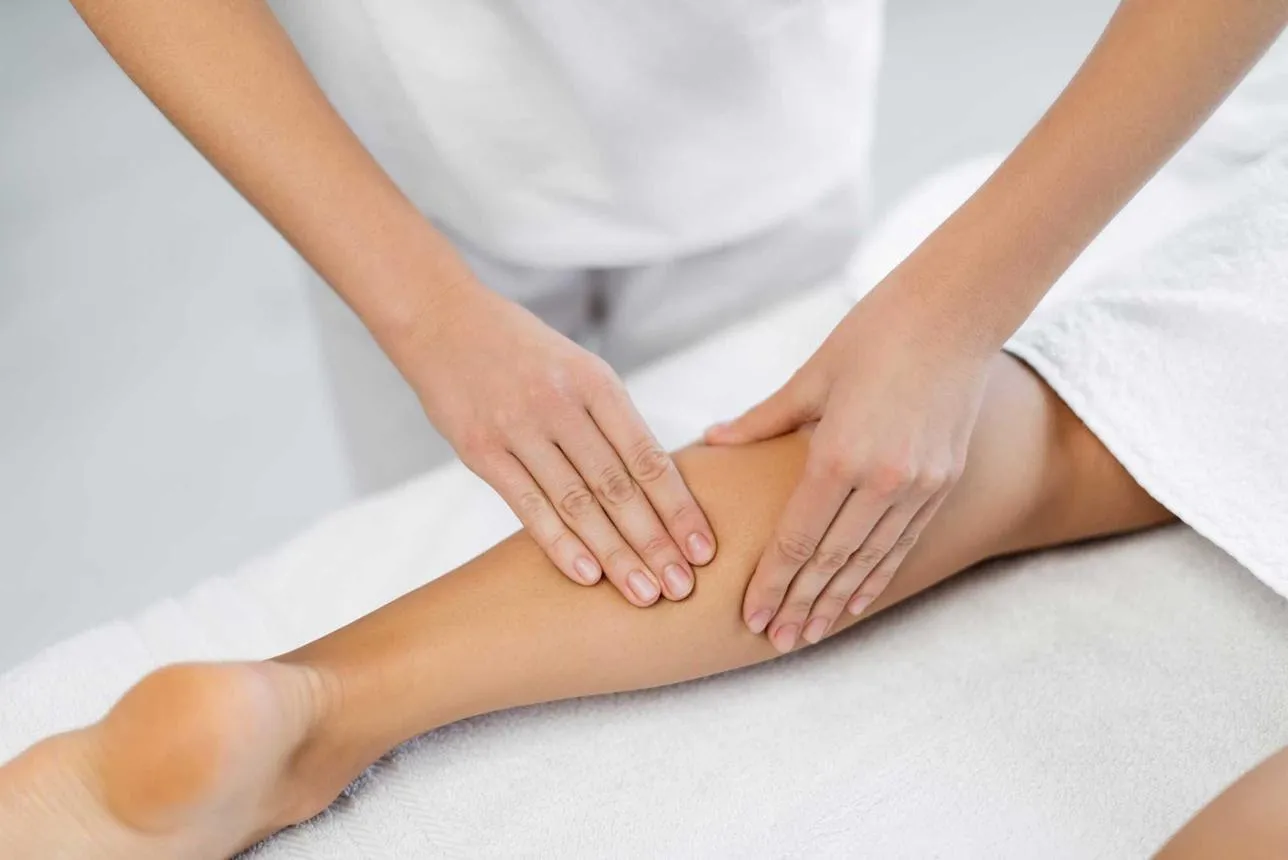
Legs
Gentle support for the movement of lymphatic fluid.
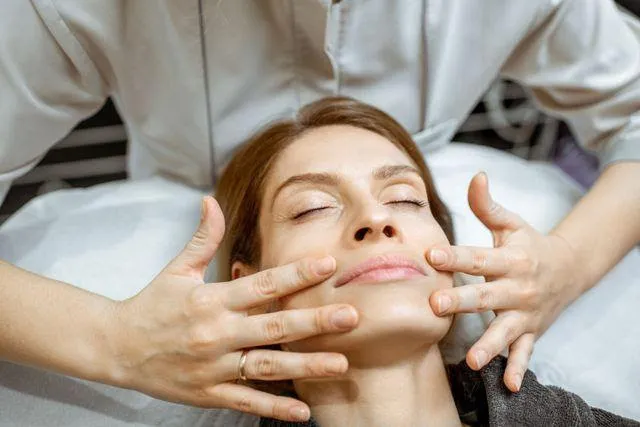
Face and neck
For selected facial puffiness, and to help you relax.
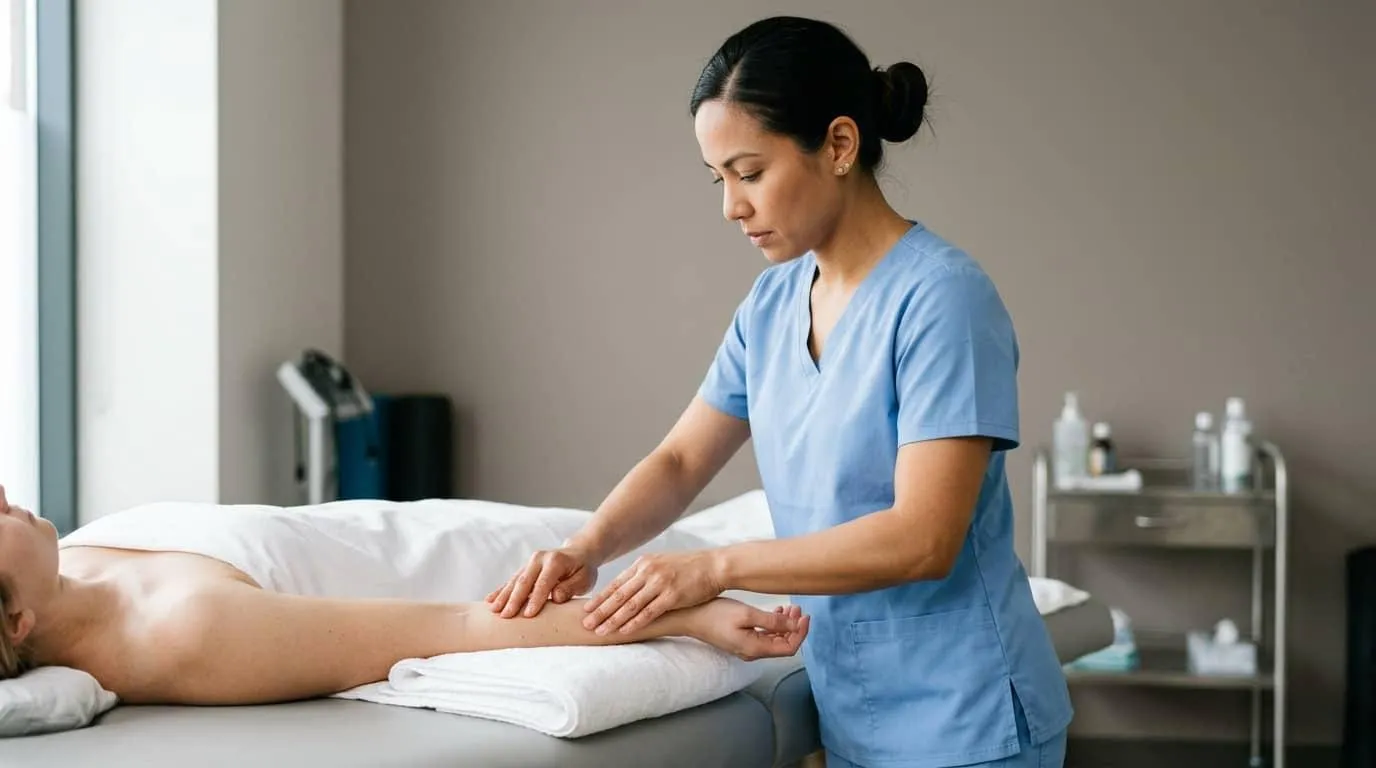
Arms
Fluid movement support when it's clinically appropriate.
Concerns it treats
- Mild fluid-related swelling
- Facial puffiness
- Relaxation
Treatment areas
- Face and neck
- Arms
- Abdomen
- Legs
What to expect
Assessment
We review your health history, goals and any swelling concerns.
Massage
Gentle, rhythmic movements that follow the lymphatic pathways.
Comfort
It should feel comfortable, with no painful deep pressure.
Why patients choose it
- Encourages the movement of lymphatic fluid
- May help reduce certain kinds of fluid-related swelling
- Light, rhythmic pressure rather than deep massage
- A calm, relaxing experience
- Technique adapted to your needs and health history
What to consider
- Any reduction in swelling is usually temporary
- It doesn't remove toxins and isn't a weight-loss treatment
- Not suitable with suspected blood clots, active infection or certain heart conditions
- Your health history is reviewed first to decide whether it suits you
Before your visit
- Tell us about heart or kidney disease, blood clots, cancer treatment or unexplained swelling
- Let us know if you have a fever, an active infection or significant pain
- Tell us about any recent surgery or procedure
- Wear comfortable clothing
After your treatment
- Go back to your usual activities as you feel comfortable
- Keep up any compression garments or treatment your doctor prescribed
- Let us know if swelling continues or gets worse
- See a doctor for any new or unexplained symptoms
Your provider will give you instructions for your own treatment plan.
Frequently asked questions
Is lymphatic drainage painful?
No. It uses gentle pressure and should feel comfortable.
Does it help with swelling?
It may help with some kinds of swelling, especially as part of a plan guided by your doctor. It isn't effective for every cause of swelling.
Does it remove toxins?
The lymphatic system plays a role in normal fluid balance and immunity, but there isn't good evidence that lymphatic massage removes toxins or "detoxes" a healthy body.
Does it help with weight loss?
No. A temporary change in fluid retention isn't the same as losing fat.
Who should avoid it?
People with a suspected blood clot, an acute infection, uncontrolled heart failure or unexplained swelling need a medical evaluation before treatment.
Book a consultation
Message us on WhatsApp
We usually reply the same working day.
Please don’t send medical details by message. Your health information stays protected at the clinic, as HIPAA requires.